
A Small Big Promise
The great promise of step 1 of my method is simple: there’s very little you can’t achieve through a miniature thumbnail sketch.
This doesn’t mean that everything will be easy, challenges will arise, but by drawing anything at small scale, even the most seemingly impossible idea becomes approachable.
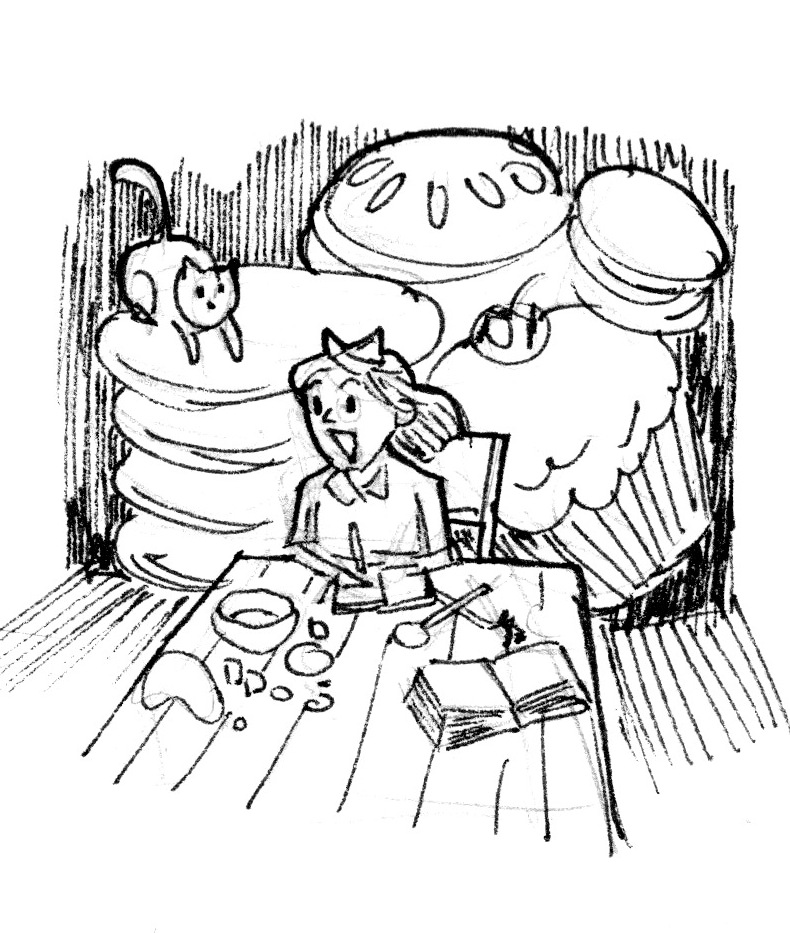
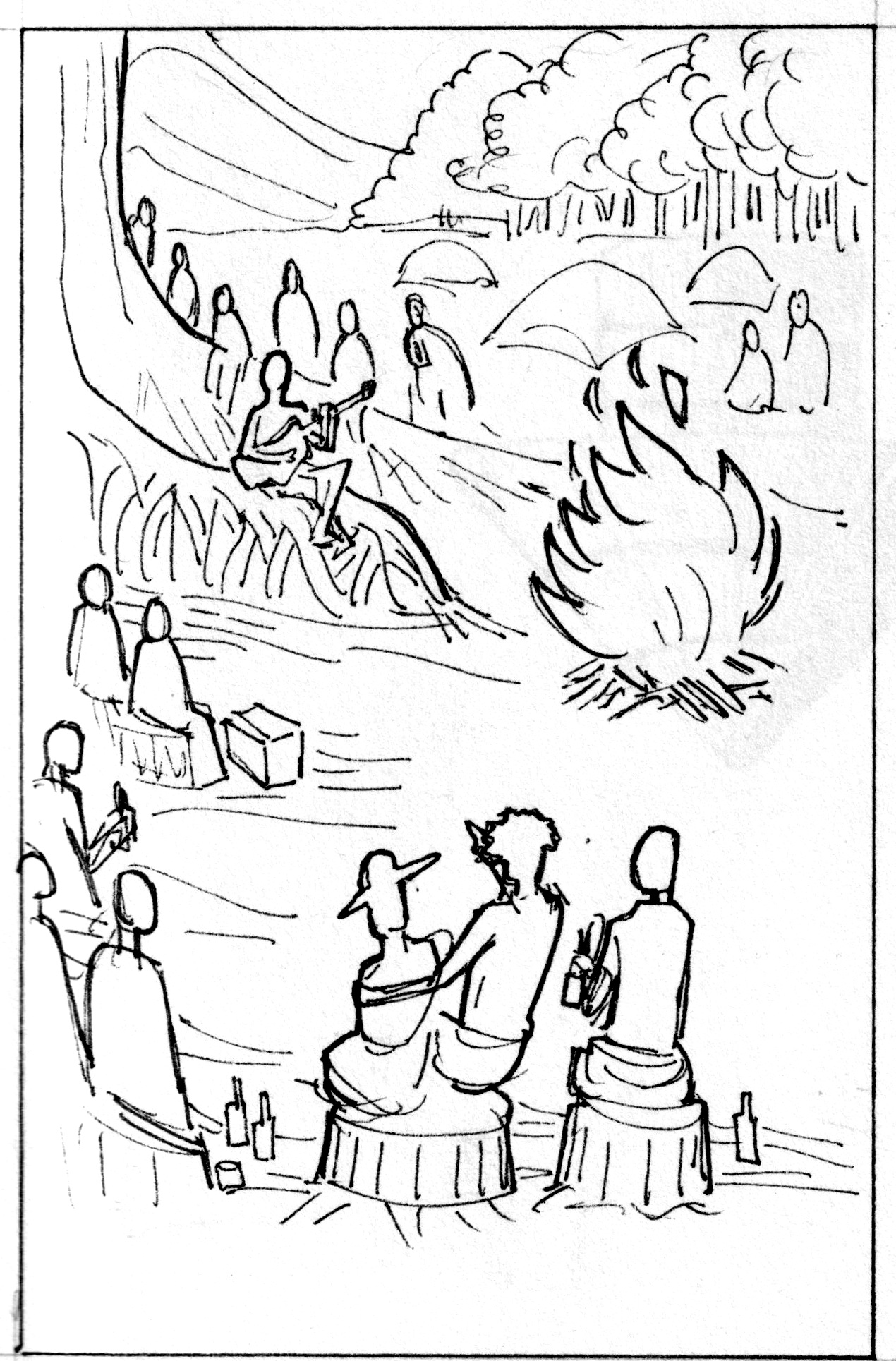
The Paradise of Negative Space
The key advantage of working on miniatures is clarity.
At such a small scale, there’s very little room for unnecessary details.
Because of this, every line must matter, you’re unconciouslly and naturally forced to make relevant decisions.
This lesson became hardwired for me in 2015 during the final assignment of a Concept Art course. After my thumbnails were approved by the instructors (we had to create five scenes for a short story), I had to work on the larger-scale versions. When I did, I made the mistake of redrawing each scene from scratch, “eye-copying” the approved thumbnails. When I presented the first three pieces to the instructor, he pointed out that some of the original magic had been lost. What was the reason? I added lines and details where there hadn’t been any before, which muddied the negative spaces and made them harder to read. He then advised me to trace my own thumbnails instead, to maintain the clarity of the elements I had already solved.
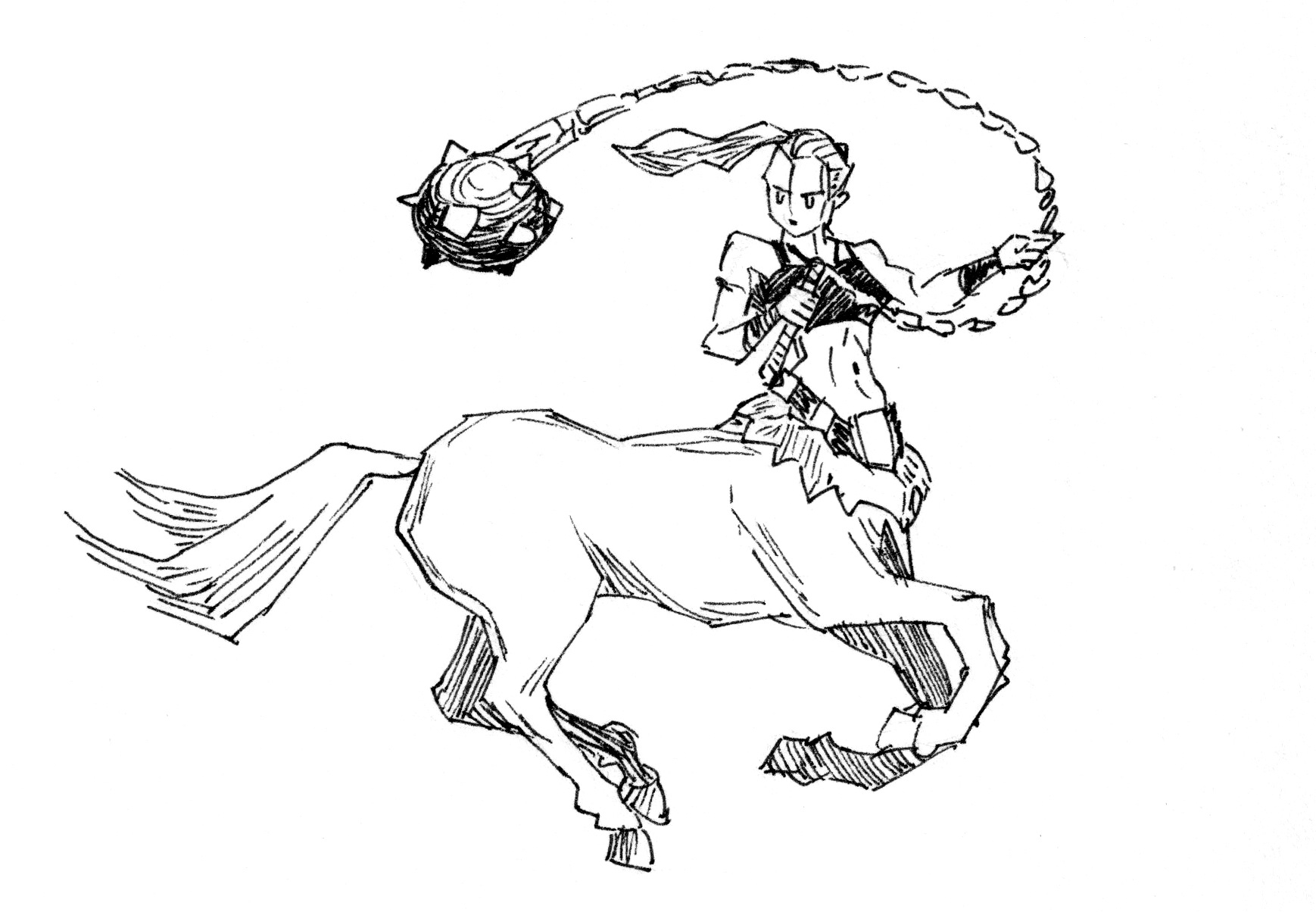
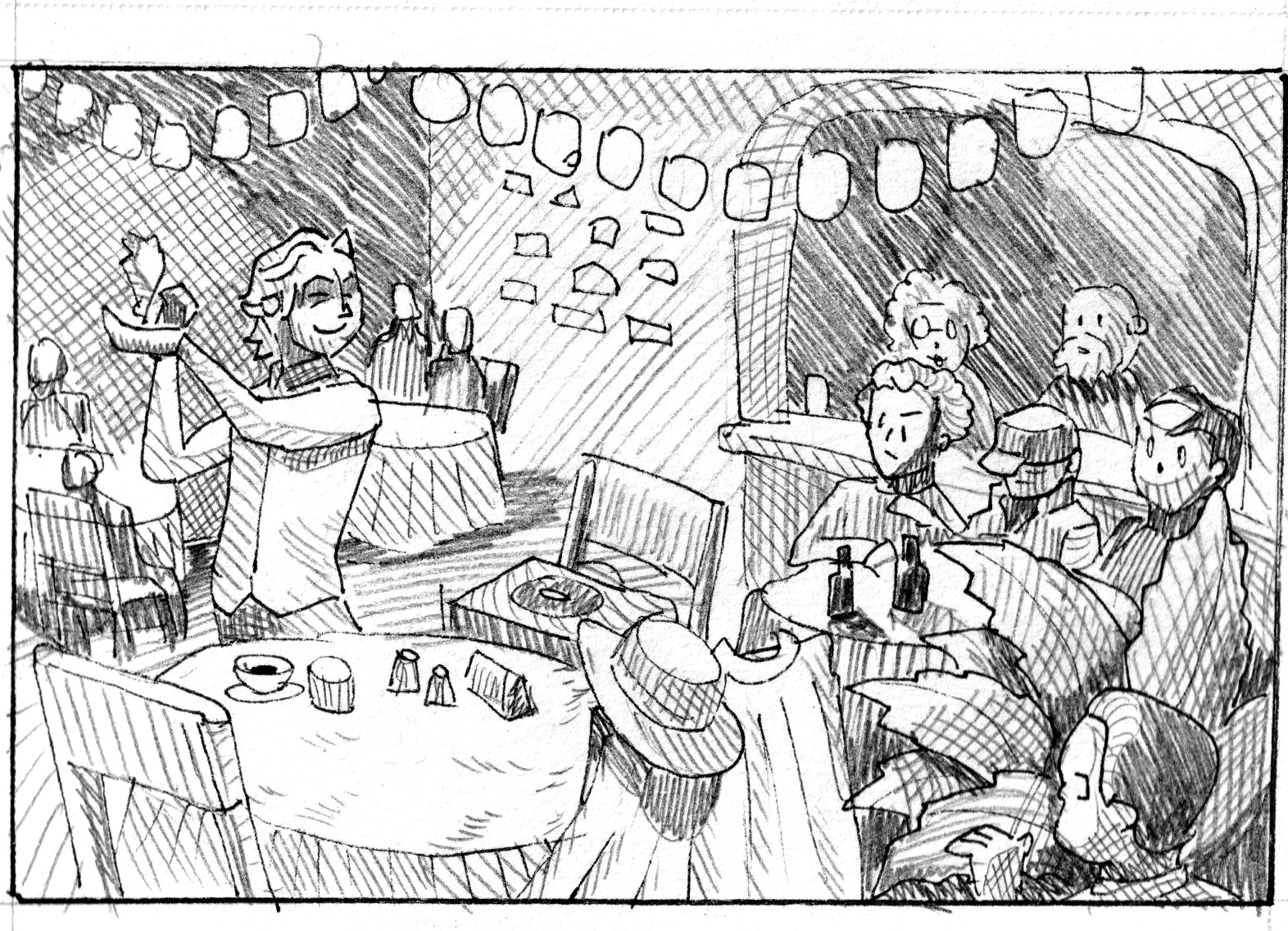
Spontaneity at its Best
Because of the limited space, my strokes have fewer options during this phase, they must define the drawing within a small area. This constraint encourages spontaneity and strengthens the connection between vision and hand, leaving little room for overplanning or overthinking. Once you’ve solved a character pose, silhouette, or composition at a miniature scale, you can carry that spontaneity into larger drawings, preserving the clarity and energy of the original.
That said, I don’t mean we should stick to our first sketches, on the contrary it enables iteration.
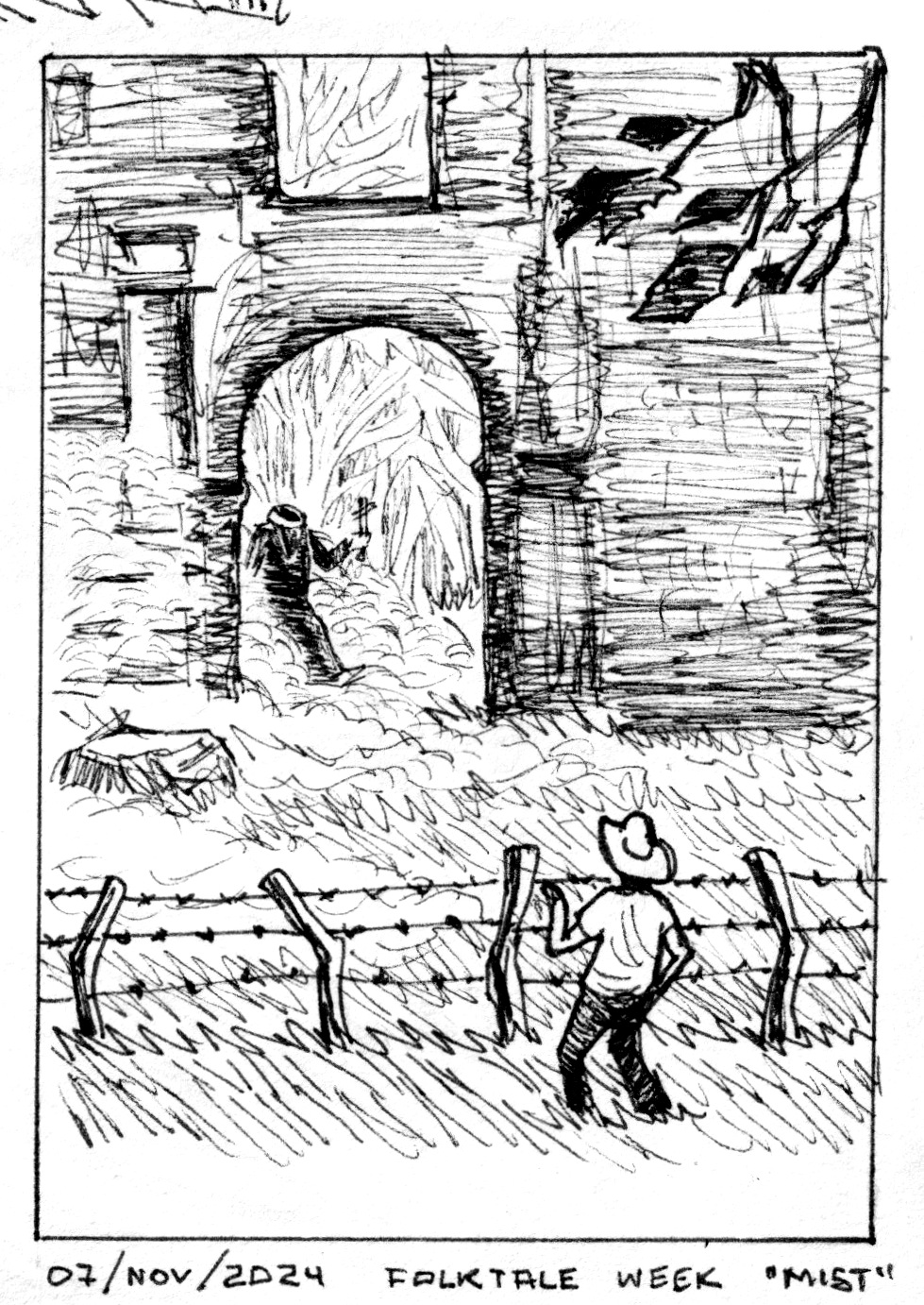
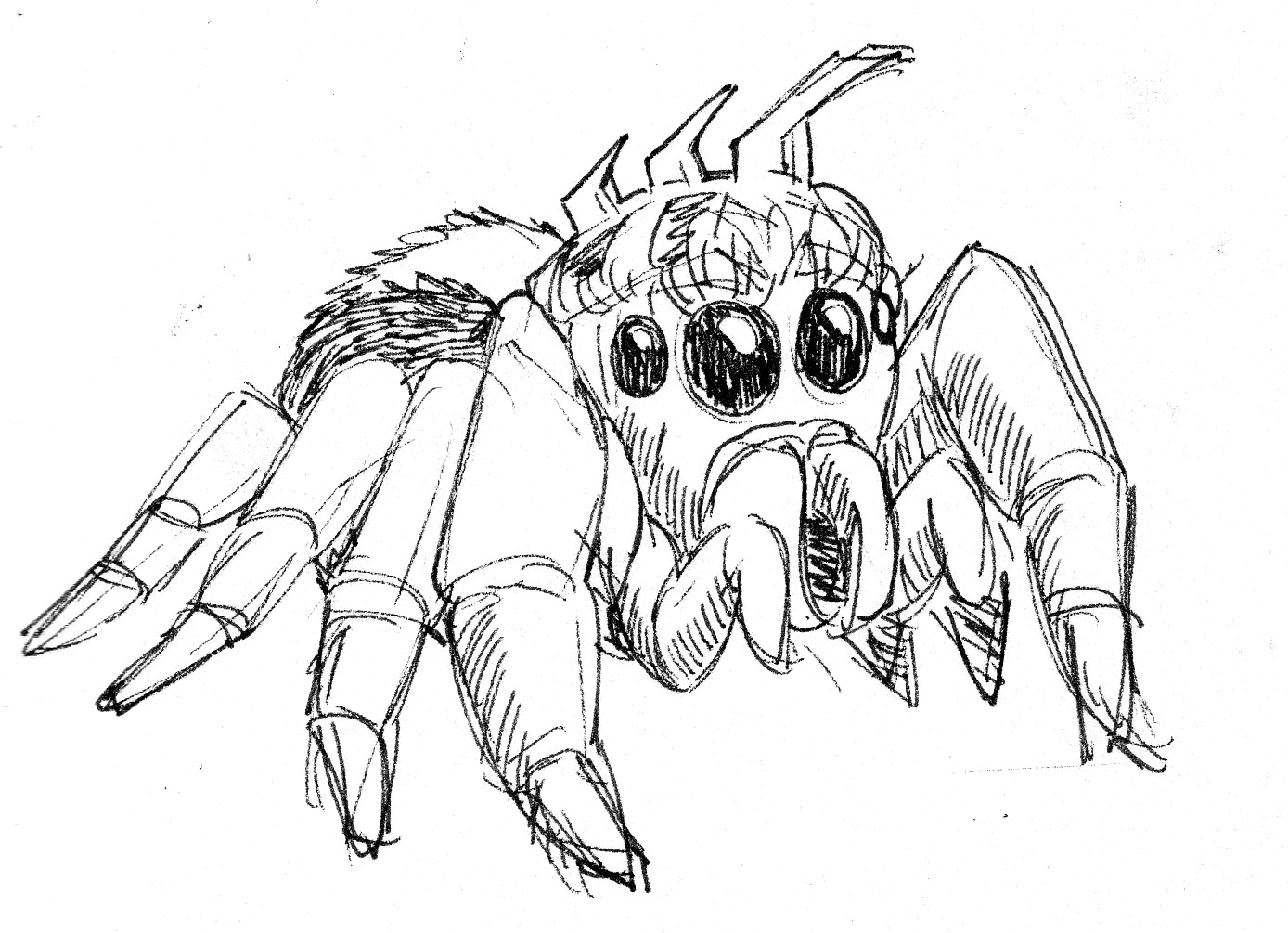
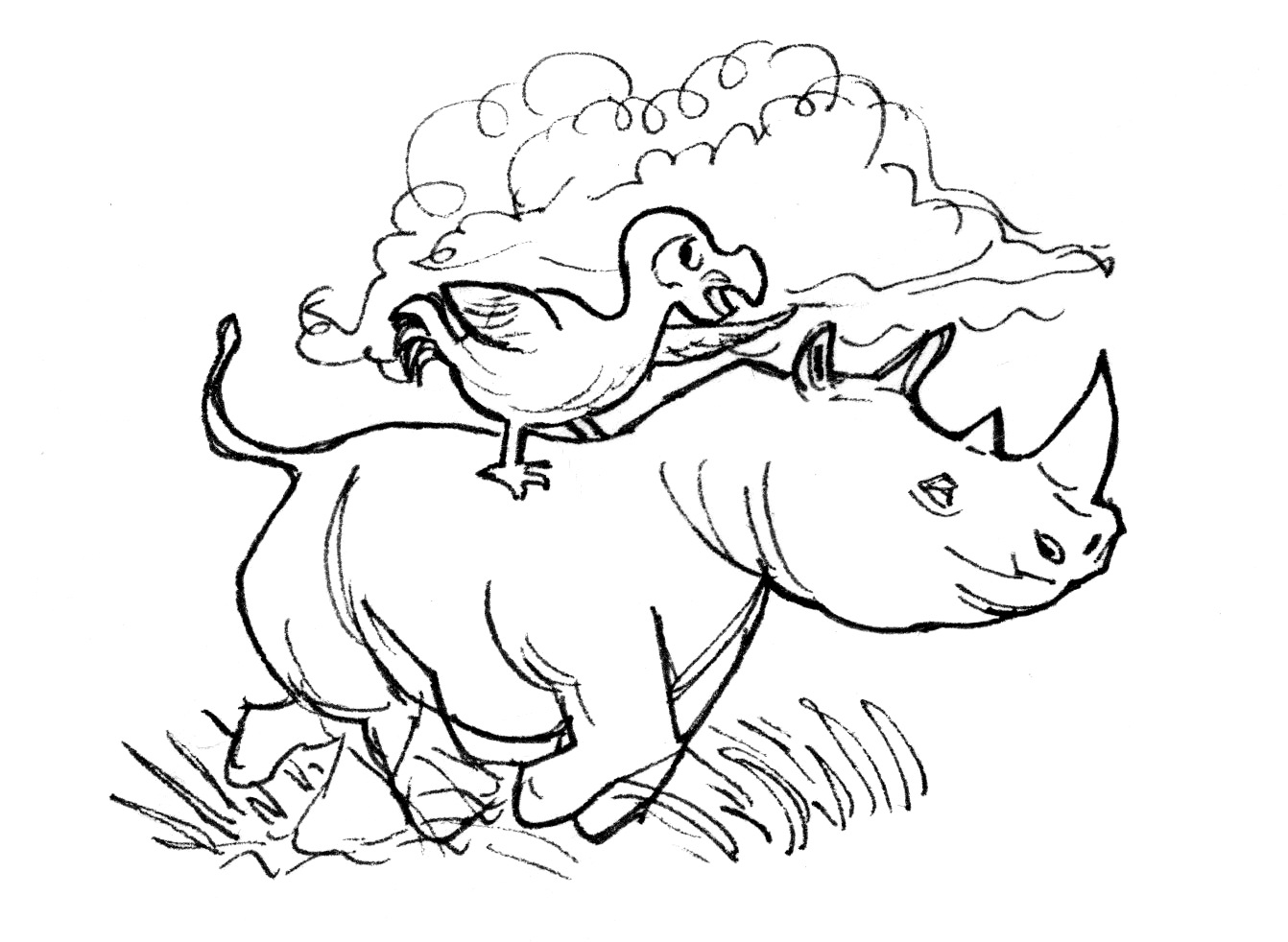
Fail fast, fail cheap
The greatest benefit of working at this small scale is that it allows you to fail quickly and at a low cost.
For many years, my greatest challenge whenever I tried to do a drawing was that I couldn’t bring my vision to life. While external factors may have been involved, it was mostly because I wanted to do it on the first try; if I wanted to do a big drawing, I took a huge piece of paper and tried to do the drawing at that large scale because that is what I wanted, right? Unless I was doing a replica of an existing illustration, when I tried to create my own scene with original characters or compositions, it almost never worked if I went big from scratch.
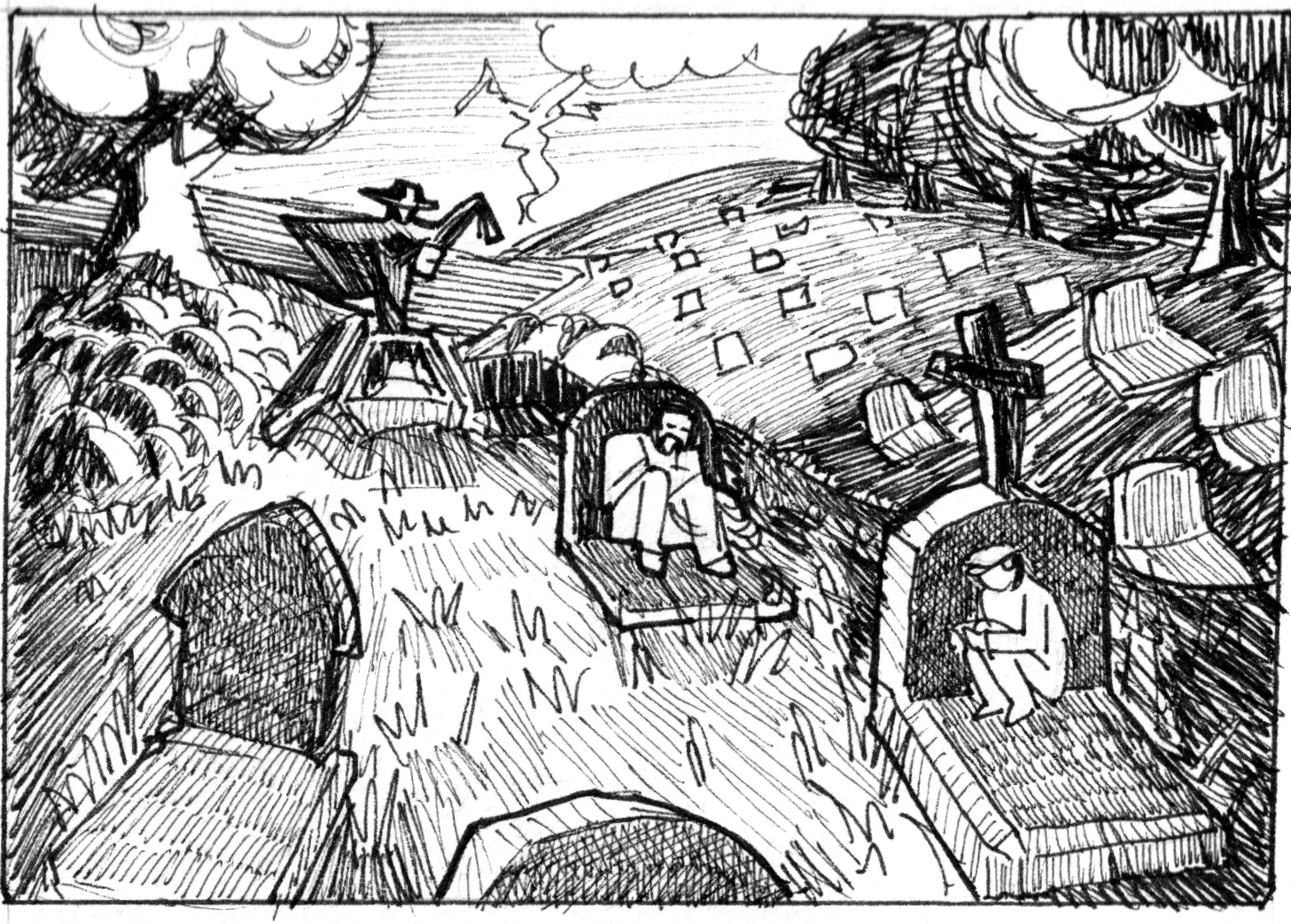
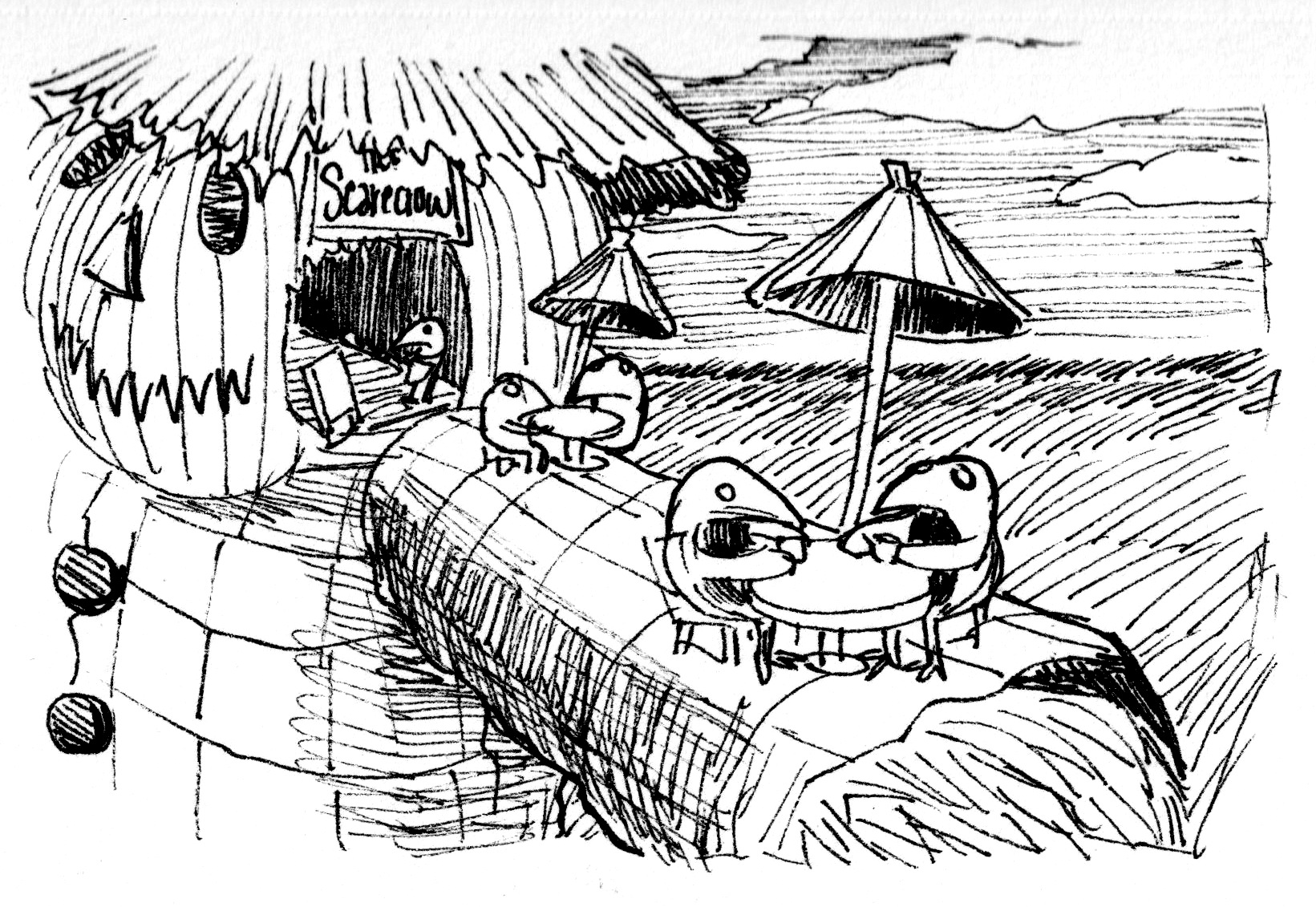
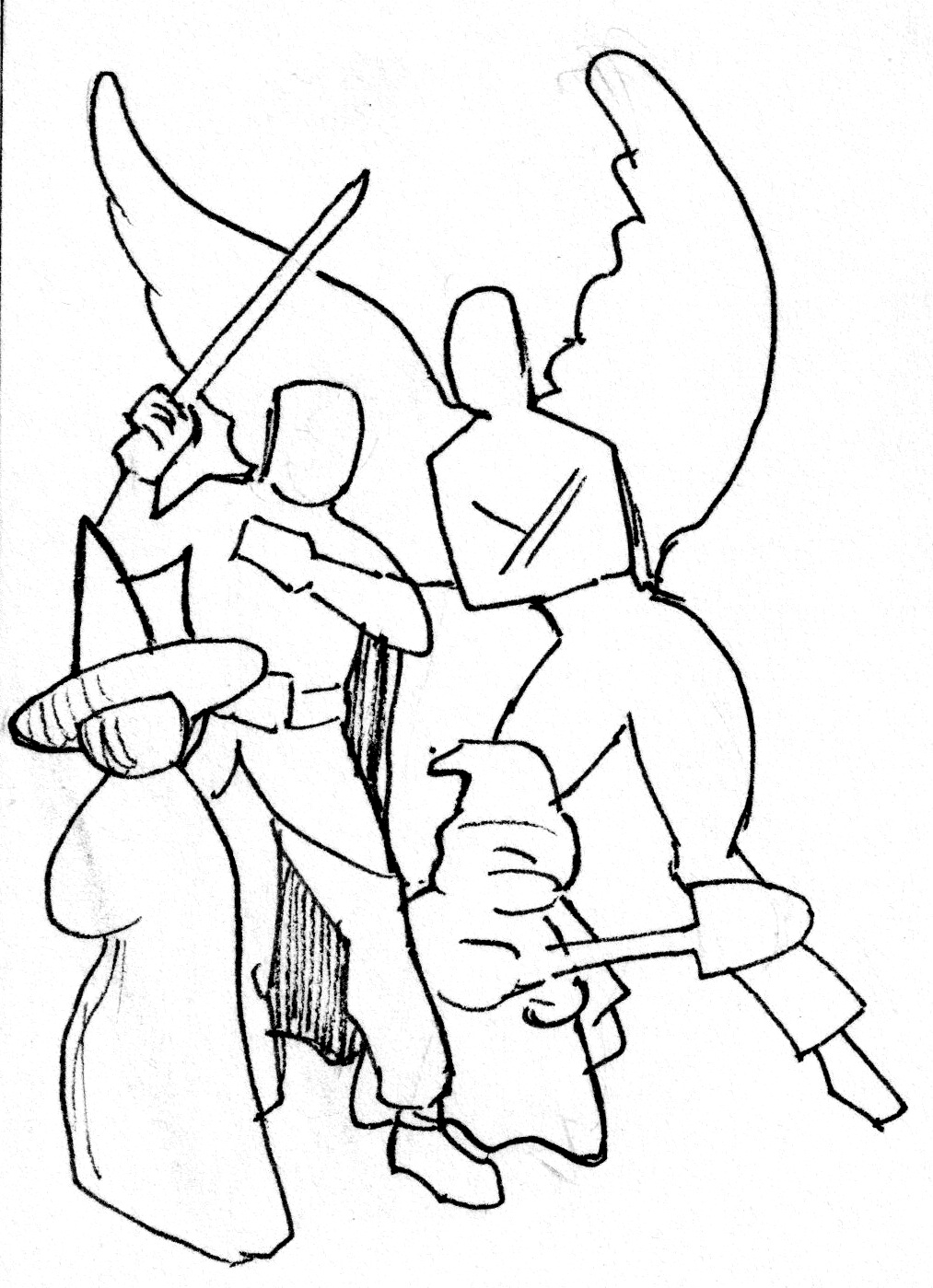
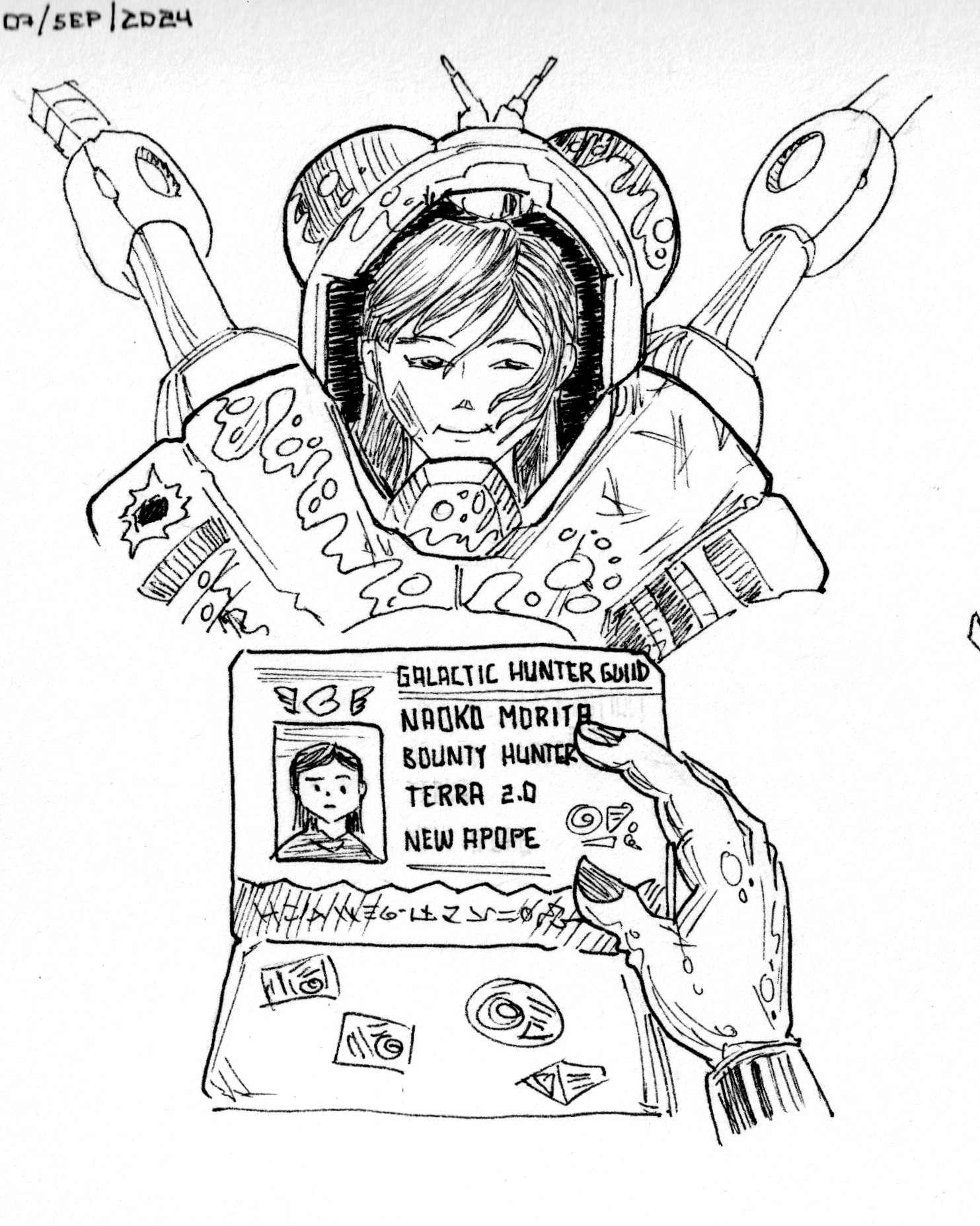
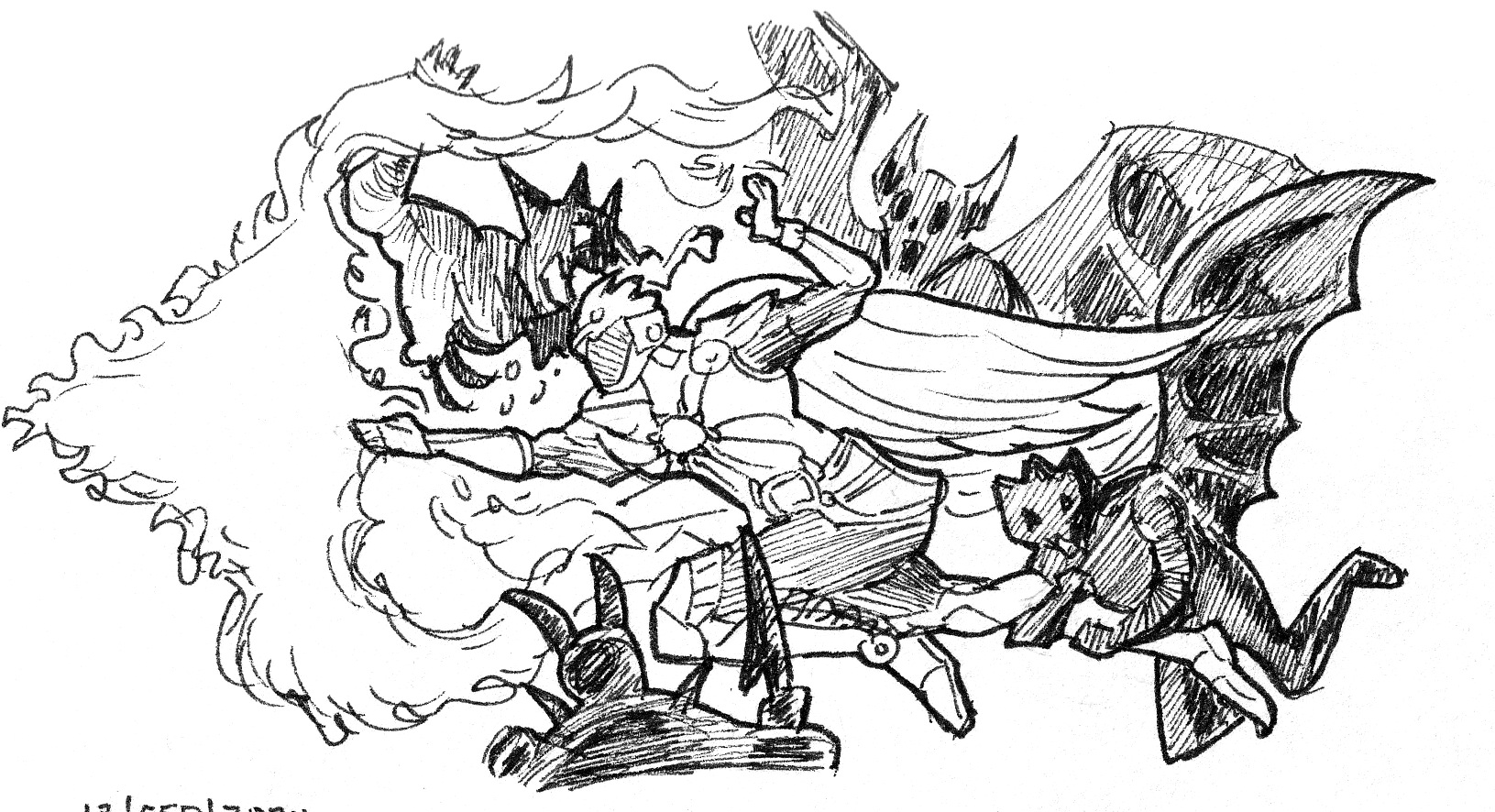
Many of us know by now that the quickest way to achieve something challenging is through failure, but more importantly, understanding why we failed and nothing allows you more to learn than iteration. This is something working on thumbnails allows me to do. A quick sketch for a composition takes me about 1 or 5 minutes, and by then, I can tell if it’s heading in a good direction or if I need to explore another option. I can fill an entire letter-size page with six thumbnails in 15 minutes, and I know for sure that my final work comes from those explorations. On rare occasions, when inspiration strikes, I might solve it in the first or second sketch. But I don’t take those lucky moments too seriously, whether it takes 5 minutes or more per sketch, what’s important is learning whether your idea works or not before putting great effort and time into it.
Conlusion
These three effects: Negative Space, Spontaneous strokes and Failing fast and cheap are all consequences of the same constraint: drawing at a small scale.
In other words, small scale gives you control over complecity.
Should we stop here? Absolutely not, and that is why Step 2 exists but it stands on the shoulders of this one.

